
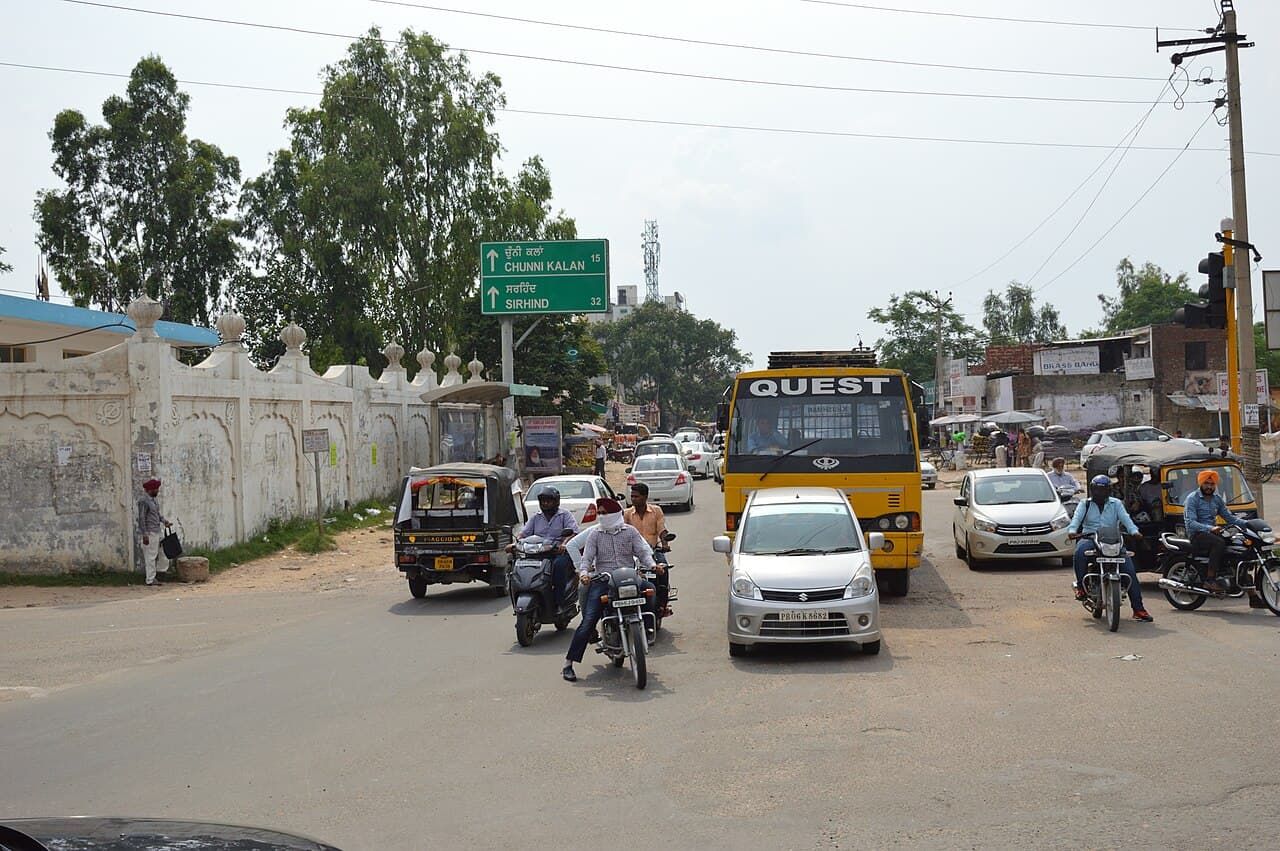
The revision took effect this month across SAS Nagar tehsil. Most of the commentary has treated it as a price rise. It is not. A collector rate is the floor the state will register a sale at, and it sets the tax you pay — it does not tell a buyer or a seller what a property is worth.
What actually moves
Your stamp duty. Duty is charged on the higher of the collector rate and the declared consideration. If you were already transacting above the old rate, nothing changes. If you were transacting near it, your duty goes up even though your price did not.
Your loan. Banks lend against the lower of valuation and consideration, and a higher registered value can lift the sanctioned amount at the margin. We saw this help one buyer in sector 91 and make no difference at all to three others.
The negotiating floor. Below the collector rate a sale cannot be registered at the declared price without paying duty on the difference anyway. So the rate becomes a practical floor in weak pockets — which is where it bites.
What does not move
The market. In sectors 76 to 80 we are transacting well above collector rate already, and the revision changed nothing on any of our four live files. In the newer sectors on the Kharar side, where deals sit closer to the floor, two sellers have tried to use the revision as a reason to re-price. Neither has found a buyer at the new number.
What we tell clients
Ask for the landed cost in writing — price, duty, registration and any society corpus — before you commit to anything. The headline figure is the part of a purchase that changes least.
Related notes
16 October 2026 · 6 min read
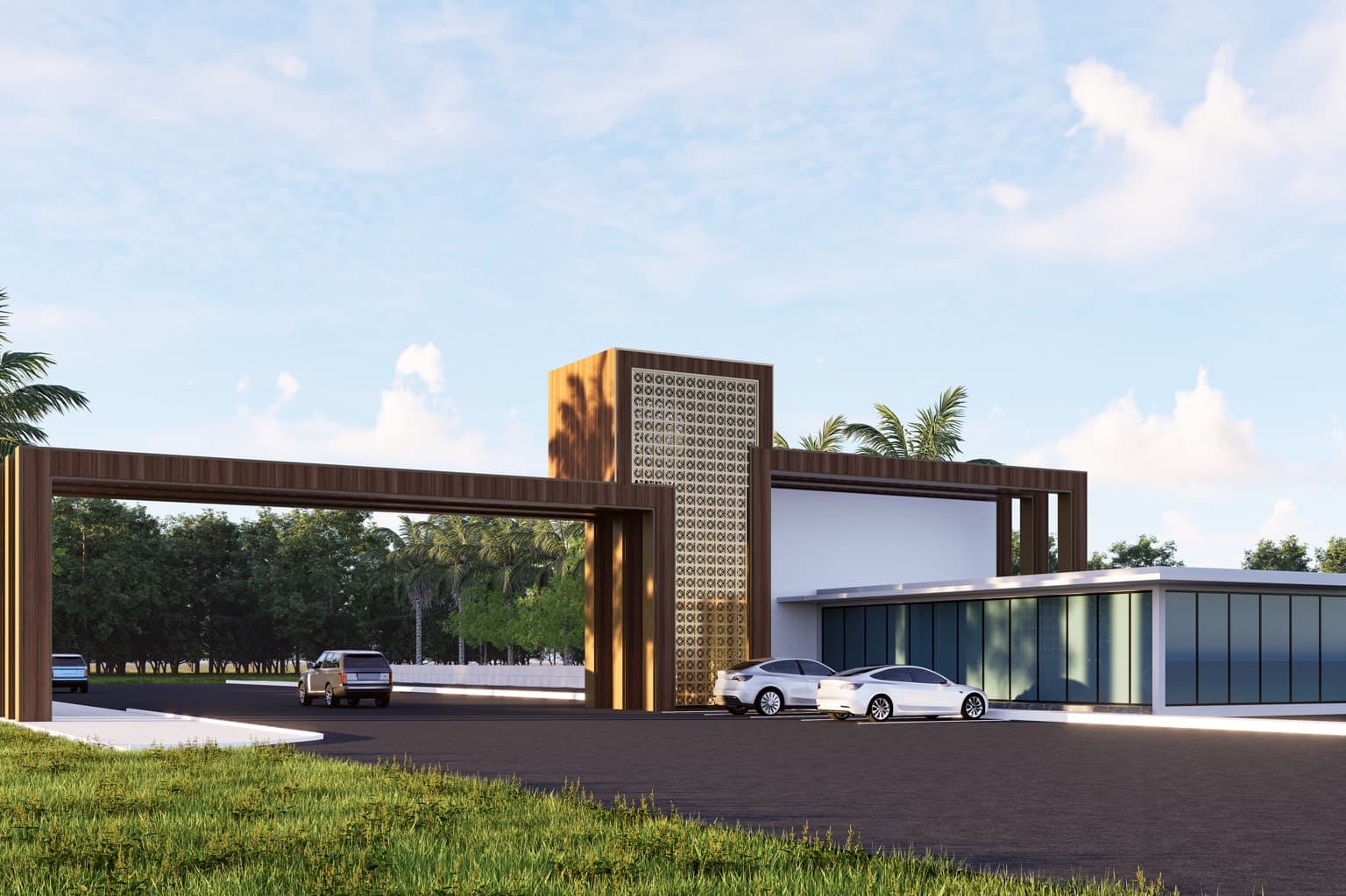
Buying a prelaunch flat in Punjab: the RERA checks to make before you pay a token
Prelaunch is where the best unit choice is — and where the paperwork is thinnest. Four checks that take an afternoon, using Elegancia on NH-05 as a live example of a project still at that stage.
16 October 2026 · 5 min read
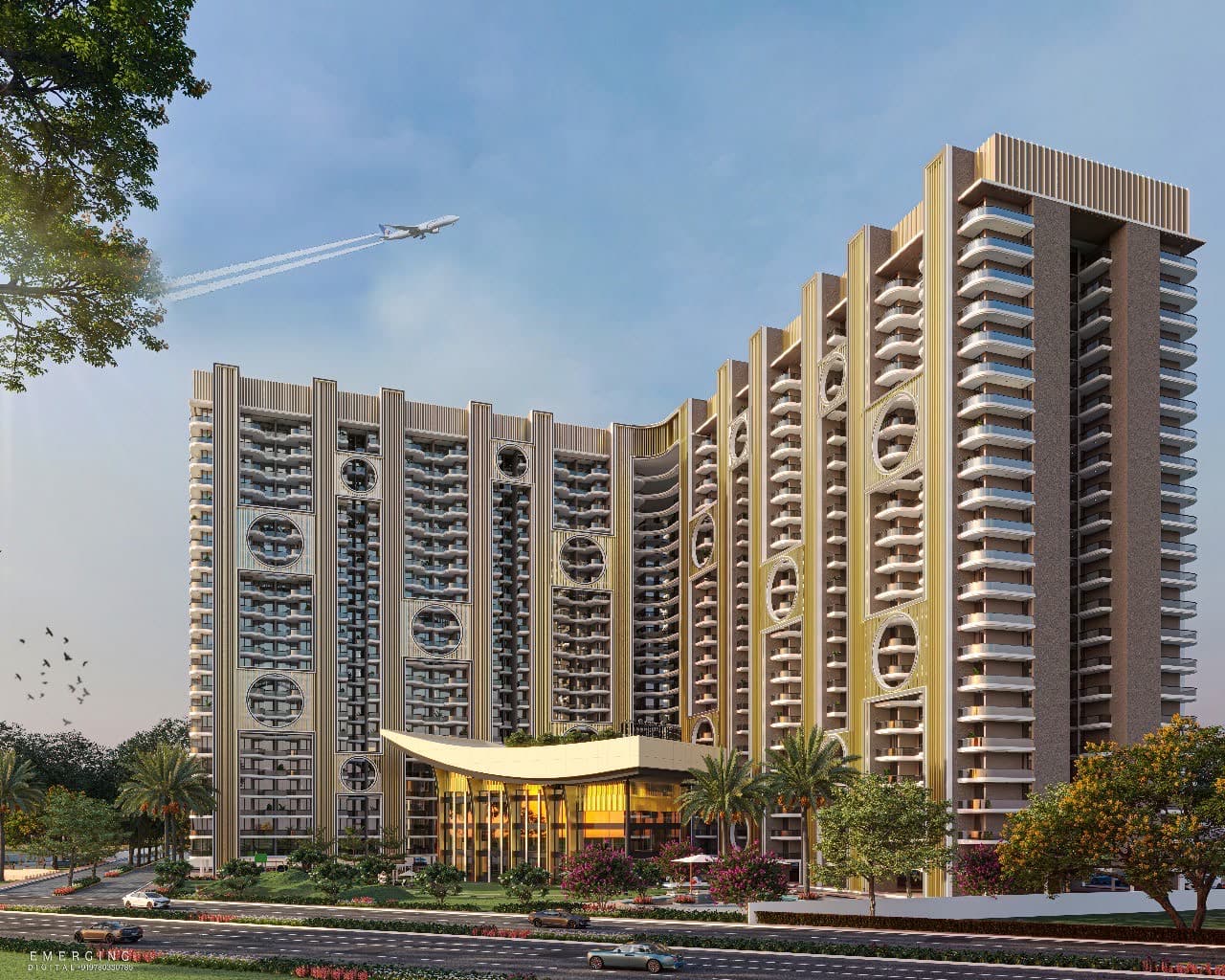
Elegancia on NH-05: what Divya Builders has announced, and what has not been yet
A 14-acre mixed-use high-rise address on the Kharar–Ludhiana Highway, near Chandigarh University. Here is what the developer's own material commits to, what it leaves open, and what we would want in writing before anyone pays a token.
16 October 2026 · 5 min read
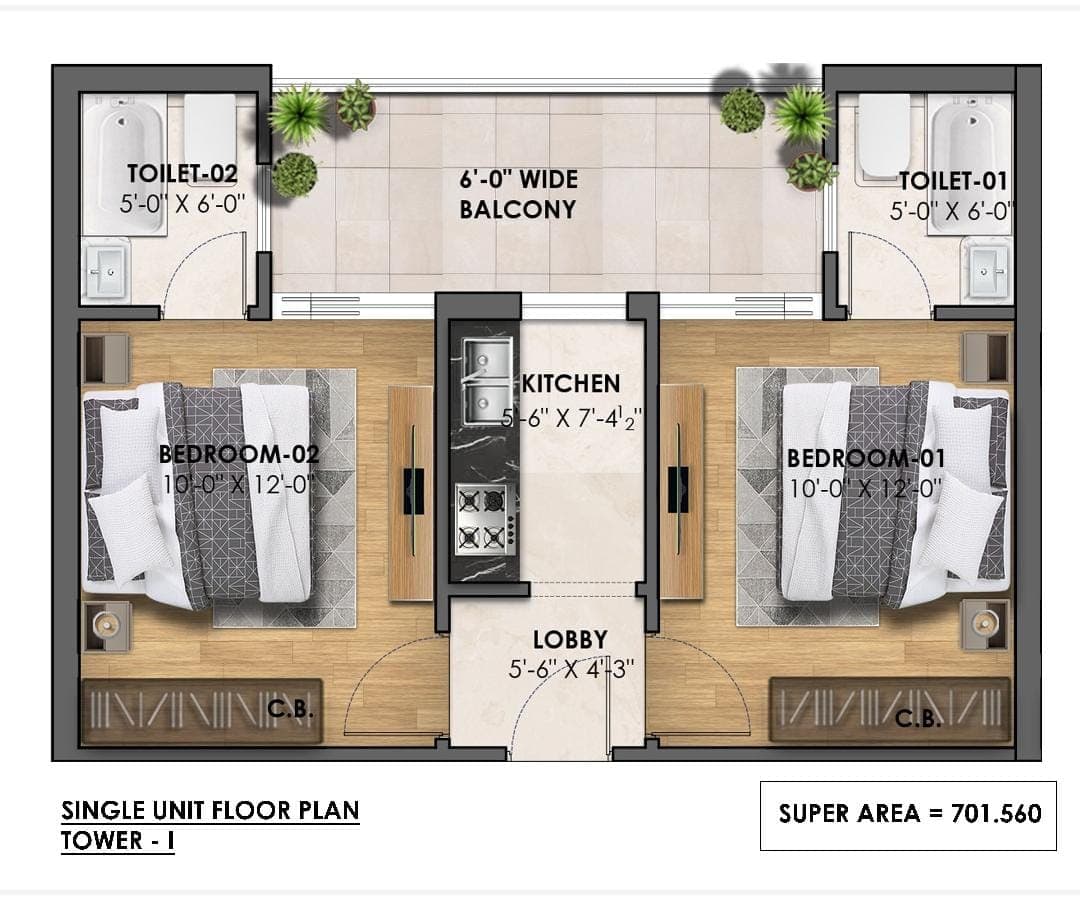
Super area or carpet area? Reading an Elegancia floor plan
The Tower I plan at Elegancia states a super area of 701.56 sq ft. The rooms drawn on it add up to about 364 sq ft. Here is where the rest goes, and the one question to ask before comparing prices.