
An NRI purchase is, in most respects, an ordinary purchase conducted at a distance. Four things genuinely differ, and they are the four that go wrong.
1. The power of attorney
You will almost certainly not attend registration, so somebody must be authorised to act. A general power of attorney is the wrong instrument. What is needed is a specific PoA: naming the property, naming the acts permitted, limited in time.
Executed abroad it must be notarised, then apostilled or attested at the Indian mission, then adjudicated on arrival. That chain takes weeks. Start it before you have chosen the property, not after.
The person you name matters more than the document. A PoA is a real power, and it is misused often enough that we advise naming a professional over a relative where the two are not the same person.
2. The account
Payment must move through the correct account. Funds from an NRO account and funds from an NRE account are treated differently when you later want to repatriate, and the treatment follows how the money came in — not what you intended.
Get this right at the first transfer. It cannot be repaired afterwards by explanation.
3. What you may not buy
An NRI may buy residential and commercial property. Agricultural land, plantation property and farmhouses are a different matter, and in Himachal the Section 118 question sits on top: a non-agriculturist needs state permission to hold agricultural land at all, and permission is refused as well as granted.
If a hill property is described to you as "agricultural land with a cottage", that is not a description of a purchase you can simply make.
4. Getting the money back out
Repatriation is permitted within limits and against documentation, and that documentation is far easier to assemble at the time of purchase than five years later. Keep the deed, the payment trail, the tax filings and your accountant's certificate together from day one.
Tax is deducted at source on a sale by a non-resident at a materially higher rate than for a resident, and recovering the excess is a refund process rather than an adjustment. Plan for the cash-flow gap.
What we do
We stand in for you: the property is visited, measured and photographed, the papers are read at the tehsil, and the position is put in writing before any money moves. Most of our NRI buyers fly in once — for the registry appointment.
None of this is tax or legal advice. It is what we have watched go wrong, written down so it goes wrong less often.
Related notes
16 October 2026 · 6 min read
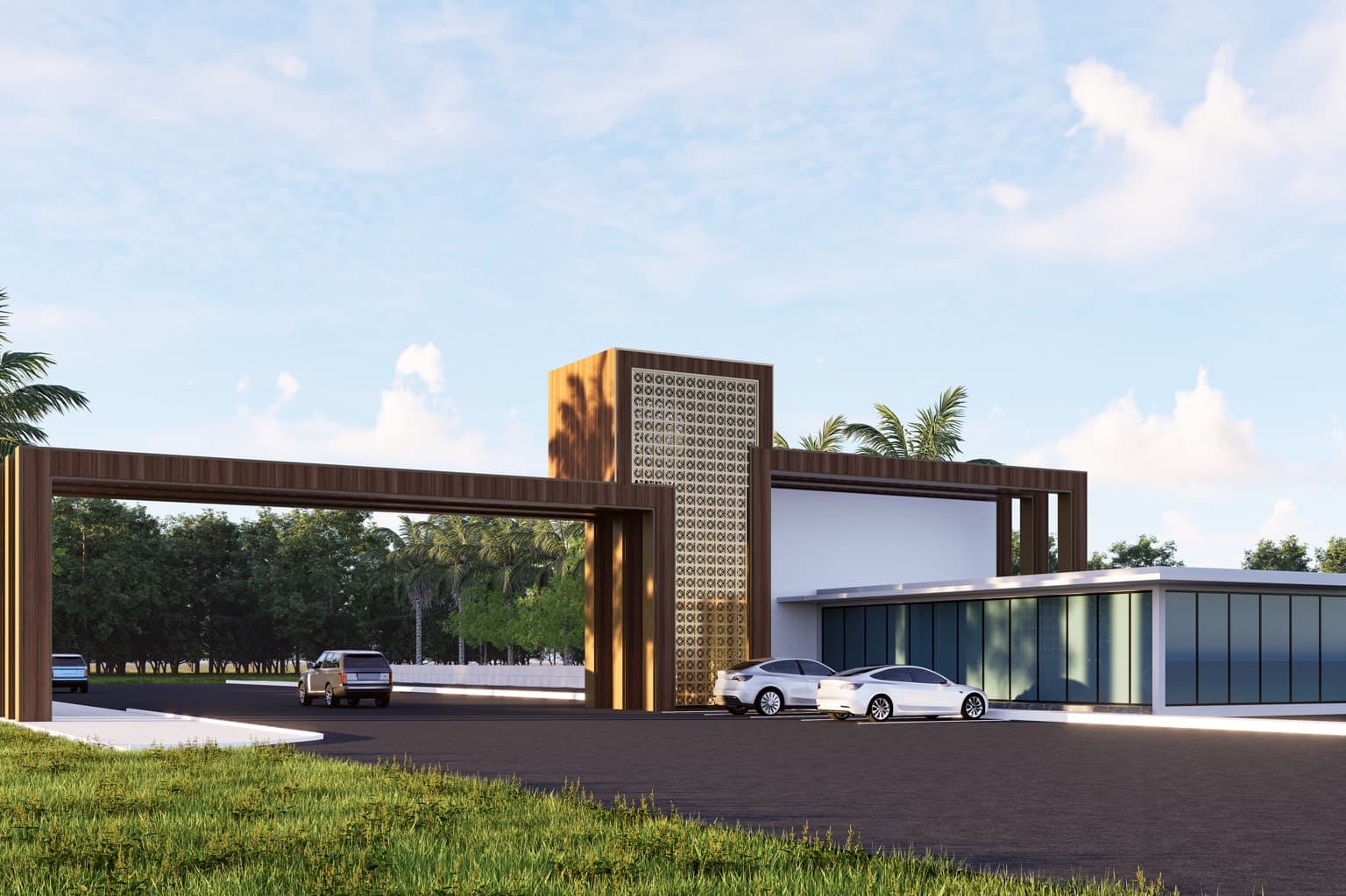
Buying a prelaunch flat in Punjab: the RERA checks to make before you pay a token
Prelaunch is where the best unit choice is — and where the paperwork is thinnest. Four checks that take an afternoon, using Elegancia on NH-05 as a live example of a project still at that stage.
16 October 2026 · 5 min read
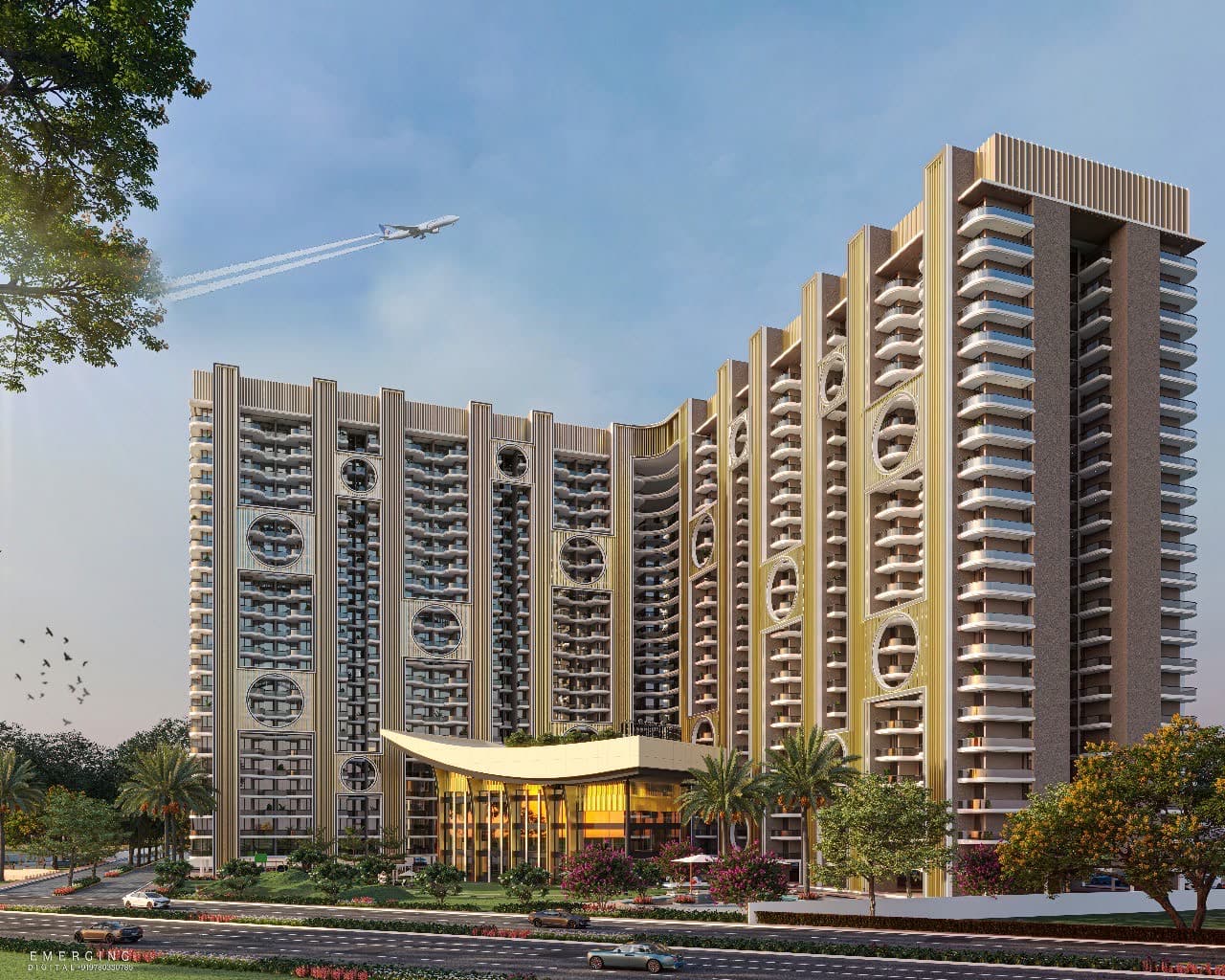
Elegancia on NH-05: what Divya Builders has announced, and what has not been yet
A 14-acre mixed-use high-rise address on the Kharar–Ludhiana Highway, near Chandigarh University. Here is what the developer's own material commits to, what it leaves open, and what we would want in writing before anyone pays a token.
16 October 2026 · 5 min read
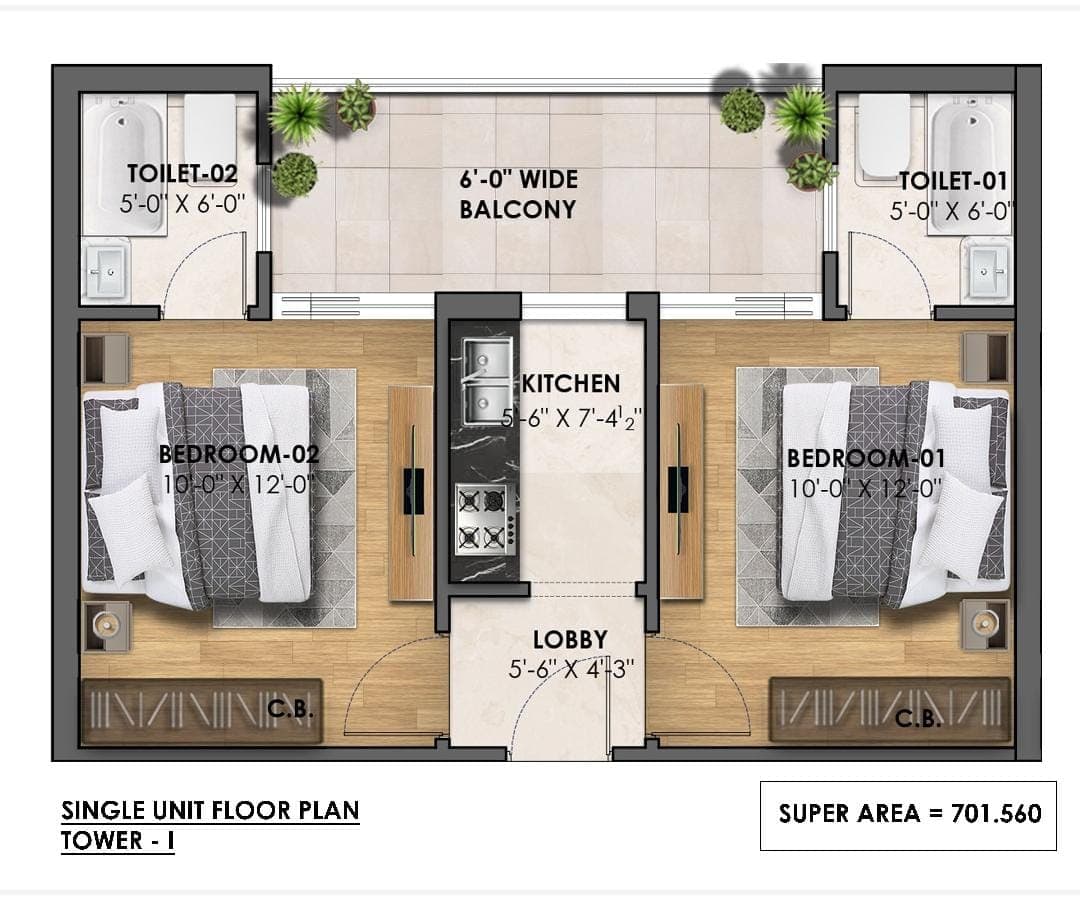
Super area or carpet area? Reading an Elegancia floor plan
The Tower I plan at Elegancia states a super area of 701.56 sq ft. The rooms drawn on it add up to about 364 sq ft. Here is where the rest goes, and the one question to ask before comparing prices.