
A sale deed is registered. The buyer has a stamped document, a receipt and a photograph of themselves signing. Most people believe the transaction is finished. It is half finished.
What is mutation?
Mutation — intkaal — is the entry that updates the revenue record to show you as the owner. Registration records that a transfer happened. Mutation records that it happened to you, in the register the state actually consults.
Until it is done, the jamabandi still reads the seller's name. You own the property; the record does not say so.
Why it matters, concretely
- A bank will not lend against it. The legal opinion stops at the revenue record.
- You cannot sell cleanly. Your buyer's advocate will raise it, and your price will carry the discount for the trouble.
- Electricity and water transfers stall, because the utility asks for the record, not the deed.
- In an inheritance it compounds. Two undone mutations across two generations is a title problem that costs real money to unpick.
How long does it take?
Weeks rather than days, and it is not automatic. Somebody has to file it, follow it and collect it. A file left to itself sits.
Where a property has passed through several hands without mutation, each link has to be established in order. That is the expensive case, and it is the one we meet most often on inherited land in the hills.
Whose job is it?
Formally the buyer benefits, so the buyer should pursue it. In practice the seller's cooperation is often needed, and it evaporates once the money has moved. Agree in writing, before completion, who files the mutation and by when.
What we do
We treat a file as open until the revenue record reads the buyer's name — not until the deed is signed. That is a deliberate difference. It is the point at which a purchase is actually finished, and it is the step most easily skipped by anybody paid on the transaction rather than on the outcome.
Related notes
16 October 2026 · 6 min read
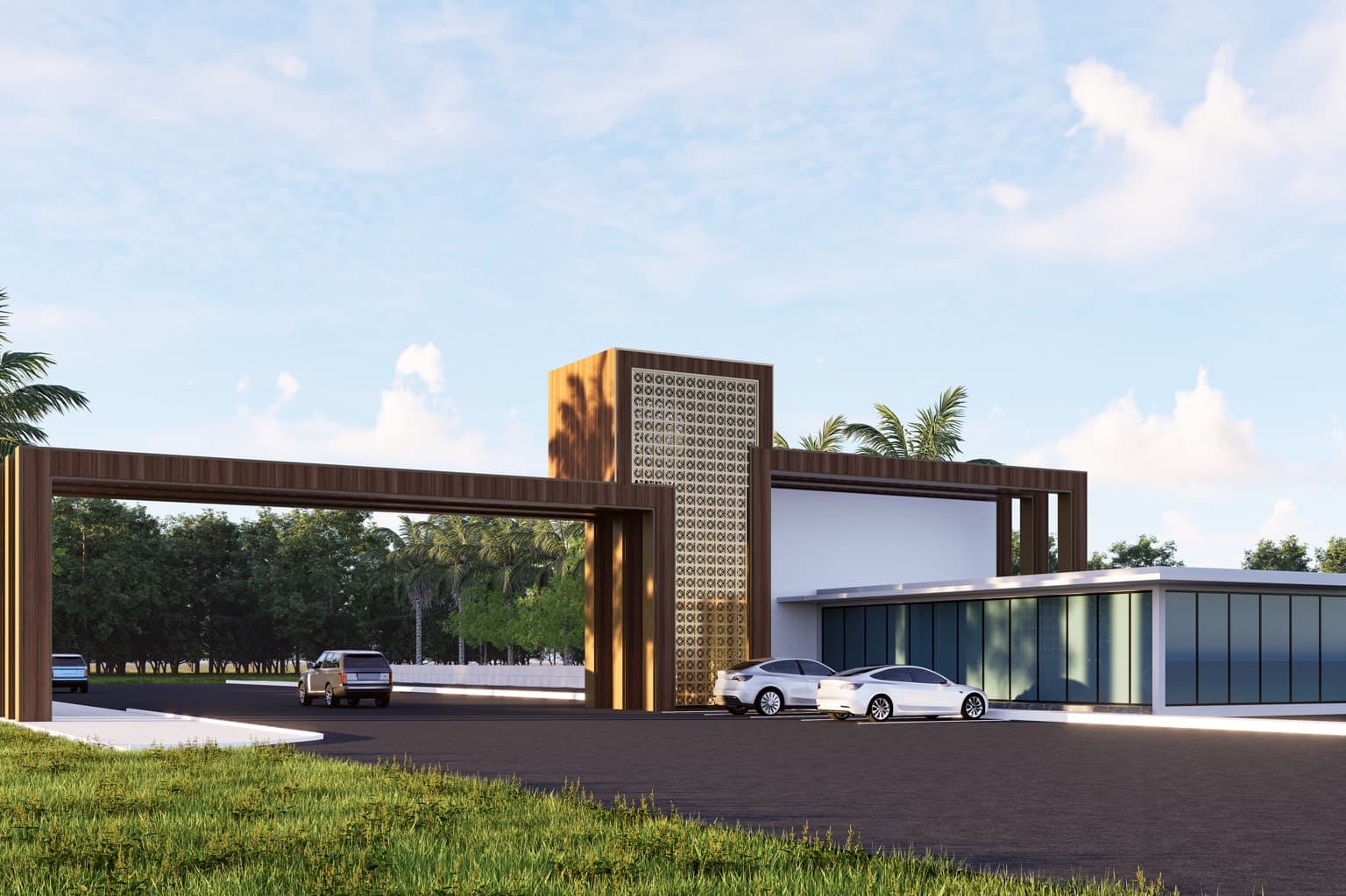
Buying a prelaunch flat in Punjab: the RERA checks to make before you pay a token
Prelaunch is where the best unit choice is — and where the paperwork is thinnest. Four checks that take an afternoon, using Elegancia on NH-05 as a live example of a project still at that stage.
16 October 2026 · 5 min read
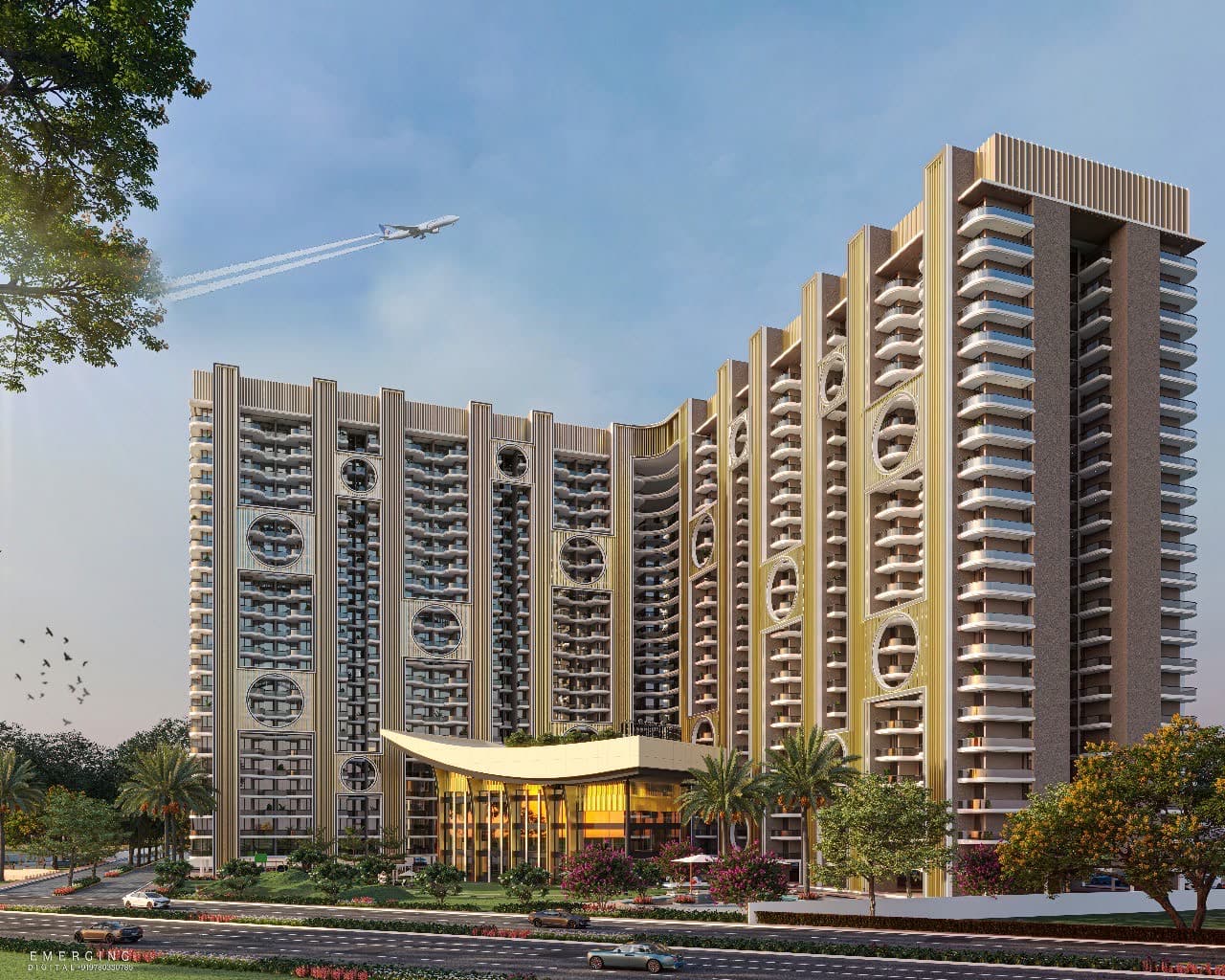
Elegancia on NH-05: what Divya Builders has announced, and what has not been yet
A 14-acre mixed-use high-rise address on the Kharar–Ludhiana Highway, near Chandigarh University. Here is what the developer's own material commits to, what it leaves open, and what we would want in writing before anyone pays a token.
16 October 2026 · 5 min read
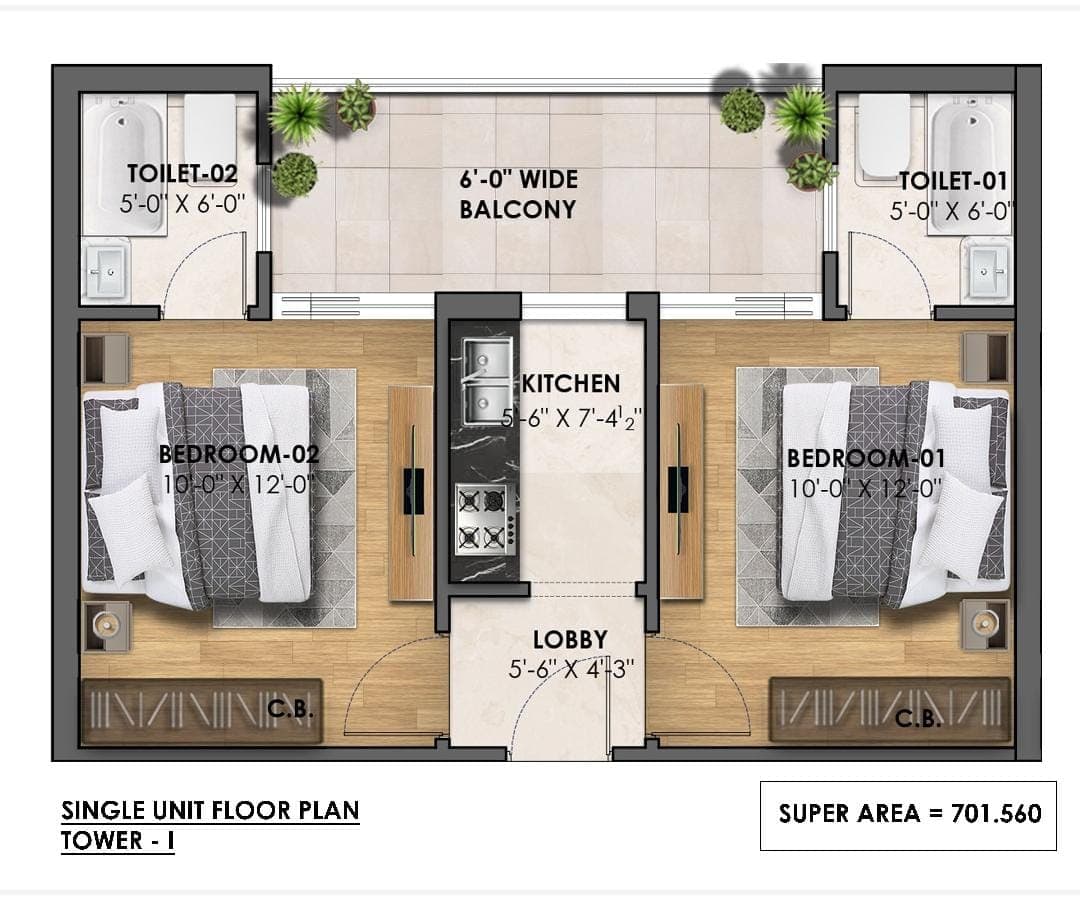
Super area or carpet area? Reading an Elegancia floor plan
The Tower I plan at Elegancia states a super area of 701.56 sq ft. The rooms drawn on it add up to about 364 sq ft. Here is where the rest goes, and the one question to ask before comparing prices.