
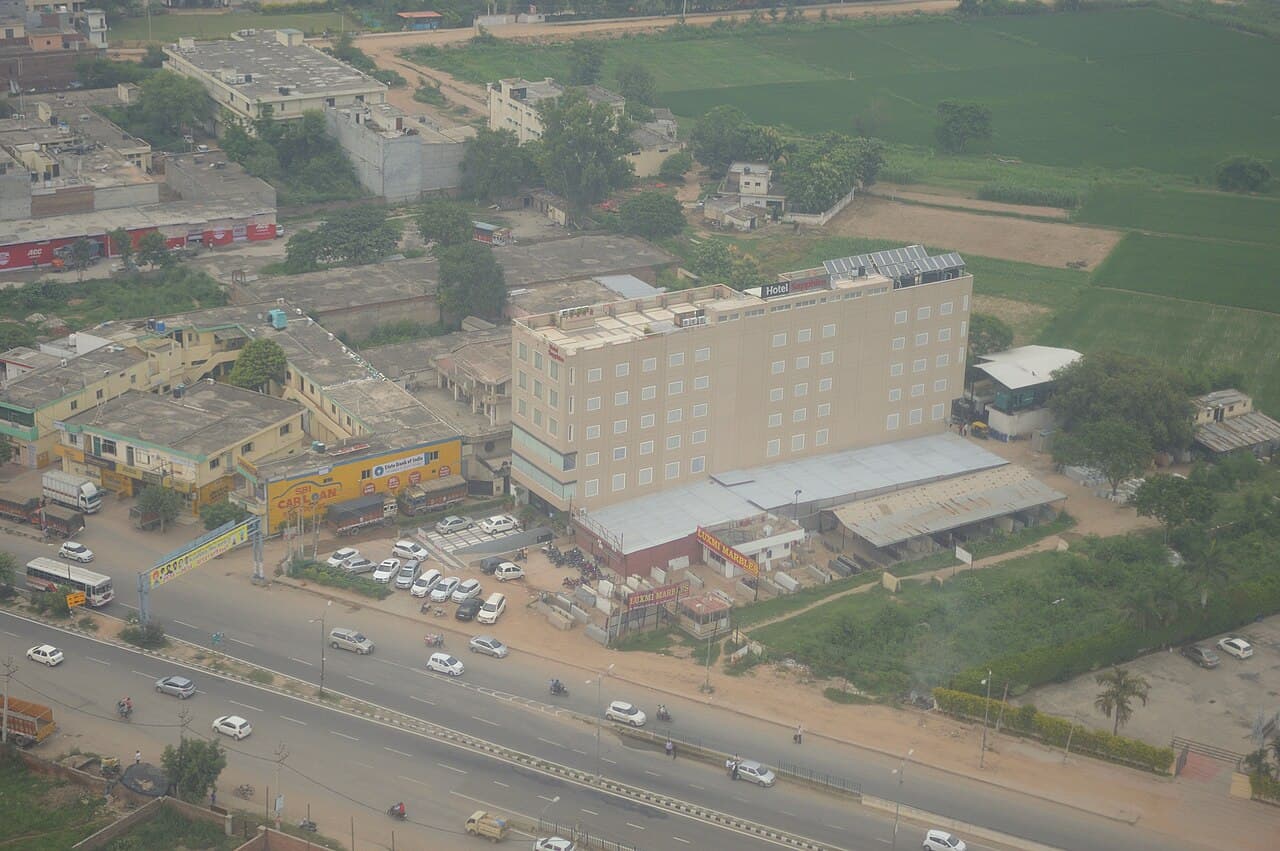
A commercial lease is negotiated on rent and lost on everything else. These are the clauses we argue over, in the order they cost money.
Lock-in, and whose it is
A lock-in binds the party it is written against. A tenant's lock-in means you pay for the full period whether you occupy or not. Many drafts contain a tenant lock-in and no landlord lock-in — which leaves you committed while the landlord is free to sell with vacant possession.
Ask for symmetry, or price the asymmetry.
Escalation
Usually a fixed percentage at a fixed interval. Two things to fix in writing: whether it compounds, and whether it applies to rent alone or to rent plus maintenance. A percentage applied to a combined figure is a larger number than most tenants realise at signature.
Who pays for what
Set out in the lease, not by custom:
- Structural repair against routine maintenance
- Property tax
- Common-area maintenance, and whether the rate is capped
- Fit-out approvals, and what must be restored on exit
The last one matters. A restoration clause requiring the premises to be returned to bare shell is an exit cost, and tenants who have spent on a fit-out are frequently surprised to be paying again to remove it.
The deposit and its return
Three to six months is ordinary here. What is worth negotiating is the return: a deposit refundable "on settlement of accounts" can be held for months. Fix the number of days, and fix what may be deducted.
Registration
A lease of a year or more should be registered. An unregistered long lease is difficult to rely on in a dispute, which is precisely when you need it. The stamp duty on registration is small against the cost of not having it.
The Mohali and Zirakpur picture
SCO ground floors on the arterial roads hold their rate; upper floors and rear units negotiate. Demand from clinics, coaching and food has been steadier than retail. Sanctioned use is worth checking before signature — a unit approved for office use and let to a restaurant is a problem for the tenant, not the landlord.
What we do
We draft for the exit as much as the entry, because the entry is the part everybody is enthusiastic about and the exit is the part that is litigated.
Related notes
16 October 2026 · 6 min read
Buying a prelaunch flat in Punjab: the RERA checks to make before you pay a token
Prelaunch is where the best unit choice is — and where the paperwork is thinnest. Four checks that take an afternoon, using Elegancia on NH-05 as a live example of a project still at that stage.

28 July 2026 · 6 min read
Stamp duty and registration: what you actually pay in Punjab and Himachal
Two states, two rate cards, and a difference large enough to change which side of the border a buyer looks at. What the sub-registrar collects on the day, who gets a concession, and why the number is not calculated on the price you negotiated.
21 July 2026 · 5 min read
Your name is on the deed. It is not yet on the record.
Registration and mutation are two different things, and the gap between them is where a surprising number of files sit for years. What intkaal is, who has to chase it, and what breaks when nobody does.