
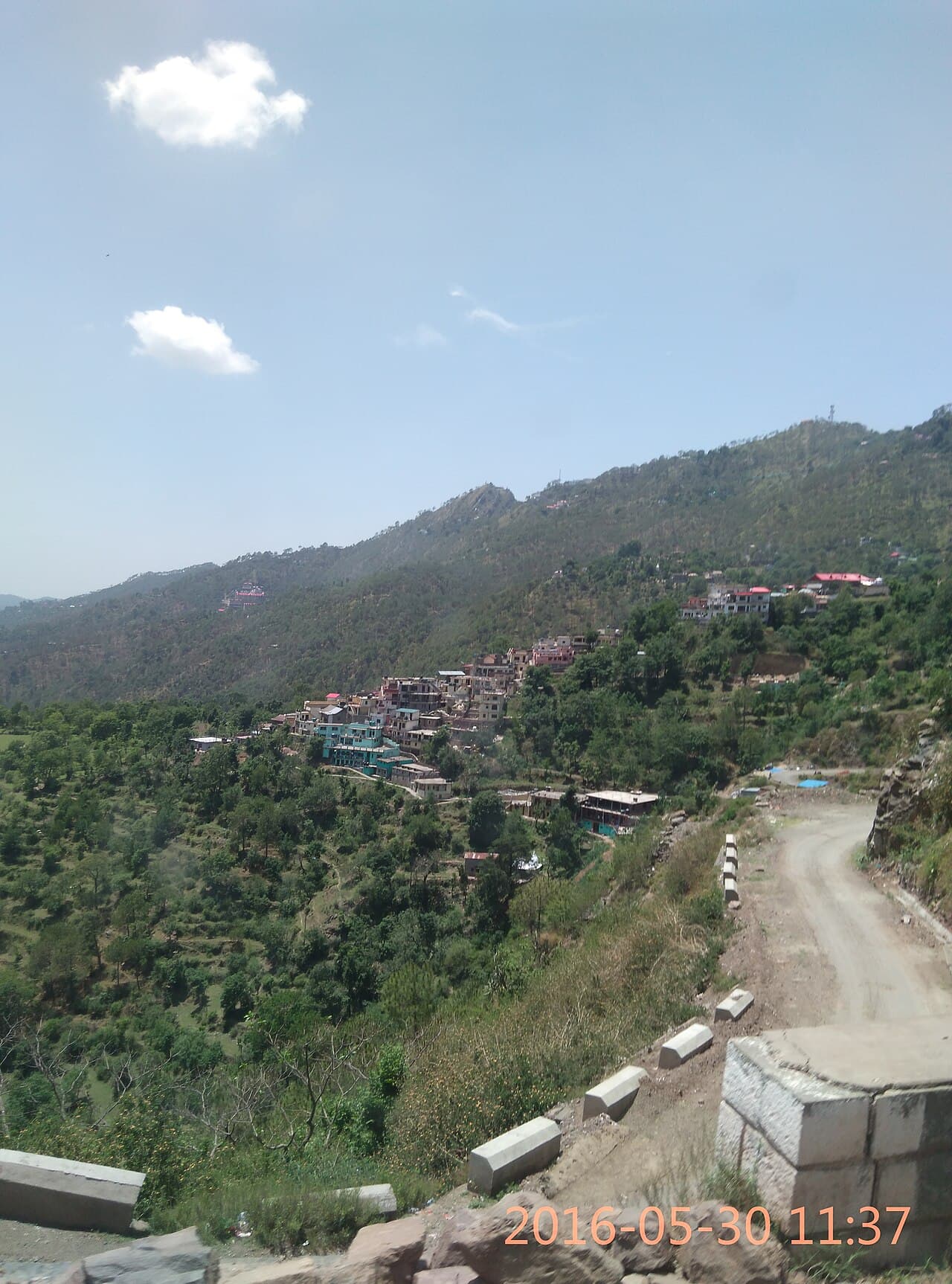
The view sells the property. The view should also be the last thing you assess, because everything beneath it decides whether the purchase works.
1. The slope
Ask what holds the ground up. A cut into a hillside needs a retaining structure, and a retaining structure has a design life and a cost. Look at the wall below the property, the wall above it, and the drainage behind both.
Cracking in a retaining wall is not cosmetic. Water is what moves hillsides, and it moves them at the point where drainage was not designed.
2. The approach in monsoon
The road you drove up in April is not the road in August. Ask directly: has this approach been cut off, and for how long? Neighbours answer that honestly; sellers rarely do.
A property reachable only by a track that a monsoon closes is a holiday property for eight months of the year. That may be acceptable — but it should be a decision, not a discovery.
3. Water in May
Not water in the monsoon. Water at the end of a dry summer, which is when tanker rates rise and supply falls. Ask what the source is, whether it is a municipal connection or a shared spring, and what happened last May.
4. The paperwork the hills add
- Section 118. If any part of the holding is agricultural, a non-agriculturist needs state permission. This is the check that stops purchases, and it should be settled before anything is spent.
- TCP limits. Town and Country Planning governs what may be built, how high, and how close to the boundary. Existing construction is not proof of permission.
- Green belt and forest proximity. The restrictions are real and they are enforced.
5. Who looks after it
For eleven months a year you will not be there. Damp, rodents, an unattended garden and a frozen pipe are all ordinary. Somebody local has to hold a key and be paid to use it.
The order that saves money
Section 118, then title, then approach and water, then structure, then the view. Most buyers work in exactly the reverse order, and the ones who lose money are the ones who paid a token before reaching the first item.
Related notes
16 October 2026 · 6 min read
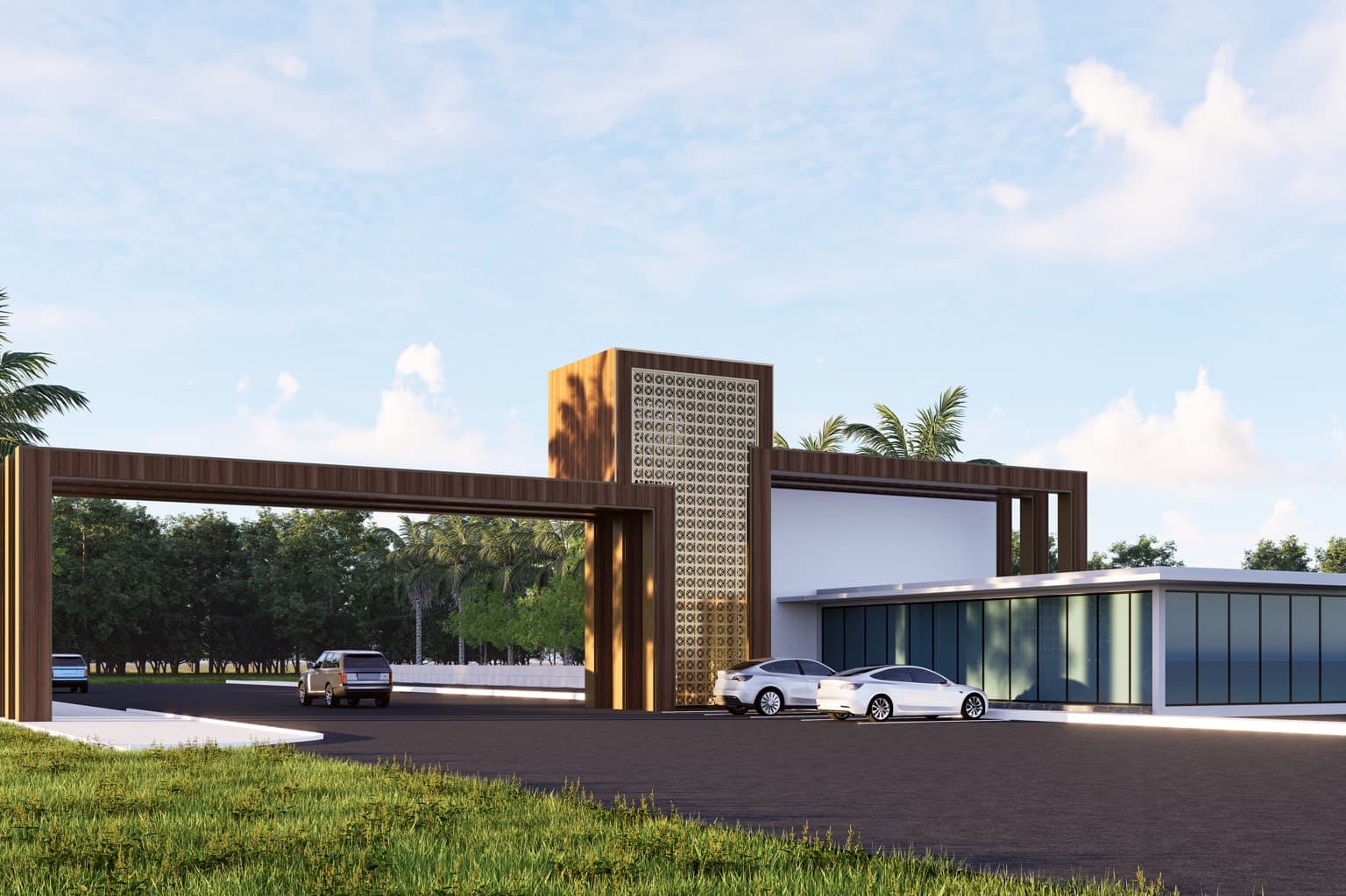
Buying a prelaunch flat in Punjab: the RERA checks to make before you pay a token
Prelaunch is where the best unit choice is — and where the paperwork is thinnest. Four checks that take an afternoon, using Elegancia on NH-05 as a live example of a project still at that stage.
16 October 2026 · 5 min read
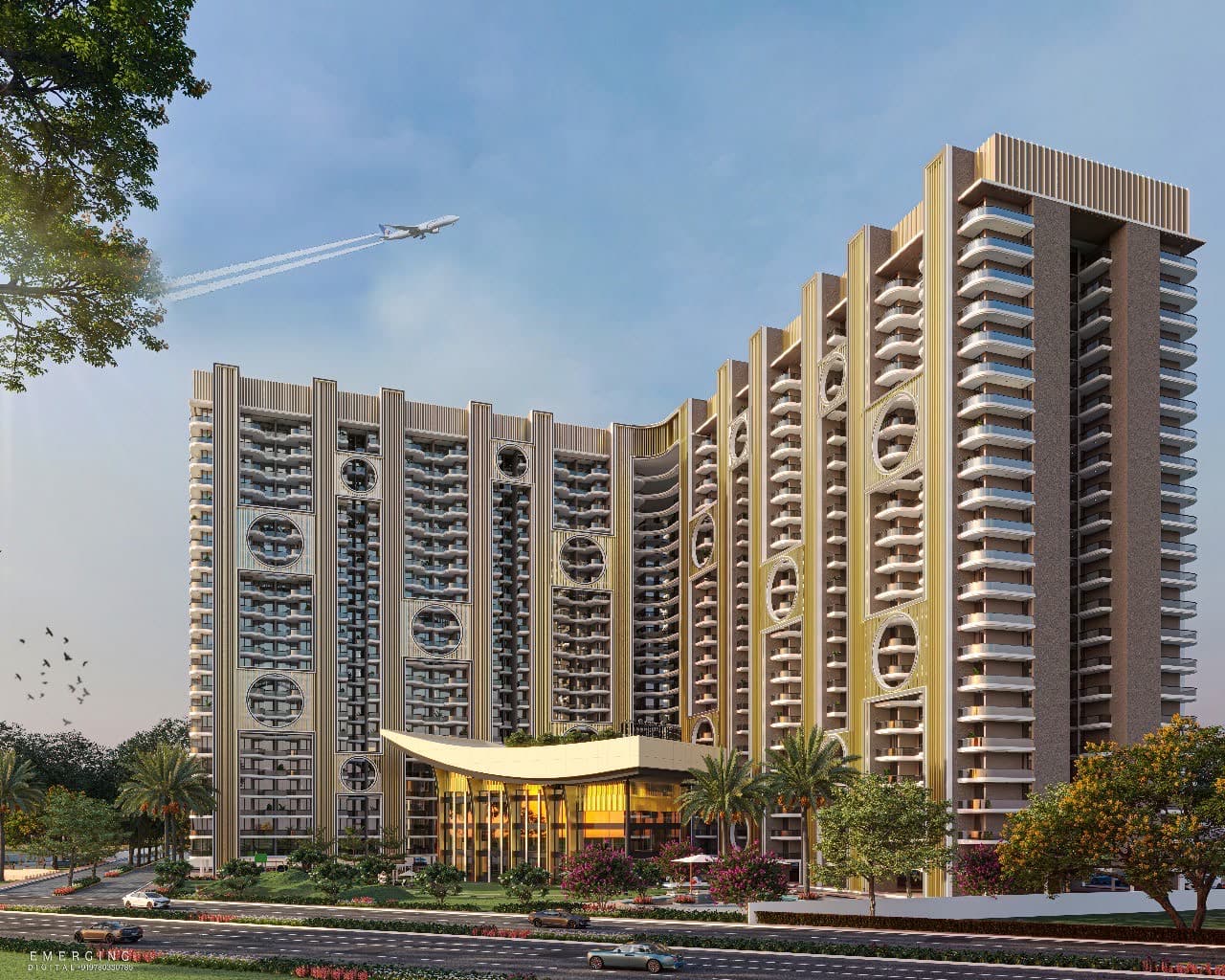
Elegancia on NH-05: what Divya Builders has announced, and what has not been yet
A 14-acre mixed-use high-rise address on the Kharar–Ludhiana Highway, near Chandigarh University. Here is what the developer's own material commits to, what it leaves open, and what we would want in writing before anyone pays a token.
16 October 2026 · 5 min read
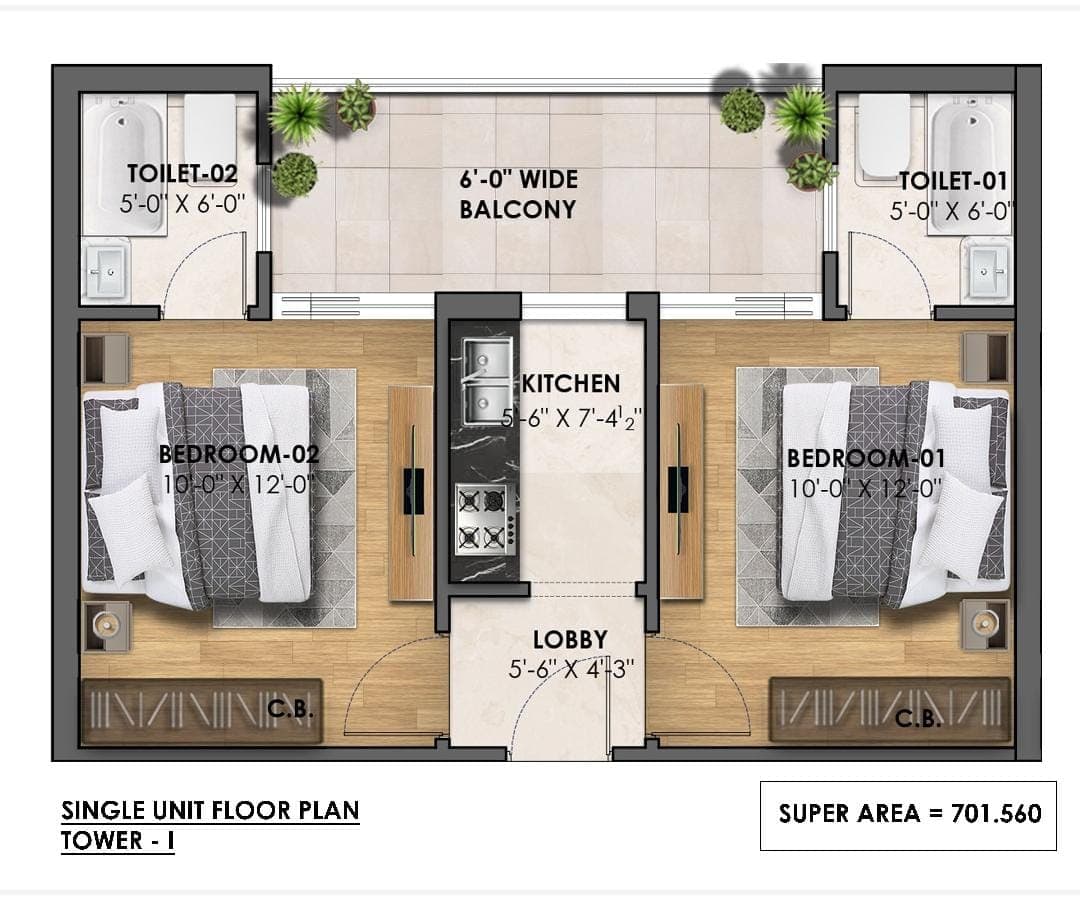
Super area or carpet area? Reading an Elegancia floor plan
The Tower I plan at Elegancia states a super area of 701.56 sq ft. The rooms drawn on it add up to about 364 sq ft. Here is where the rest goes, and the one question to ask before comparing prices.